
By: Connor Barclay
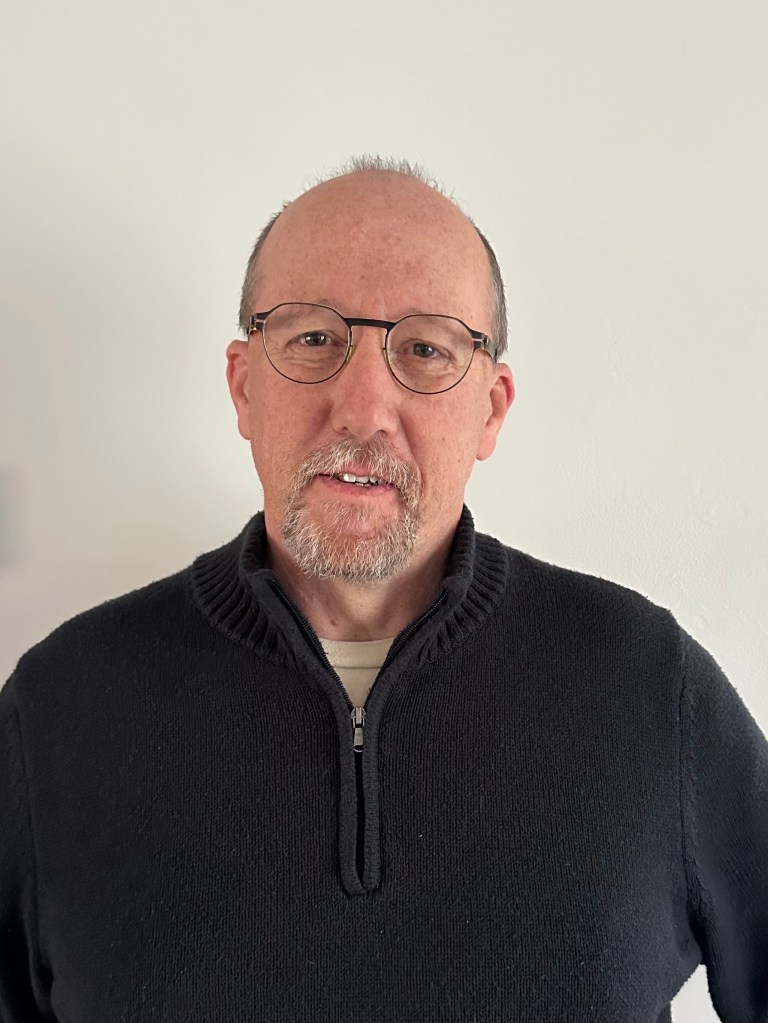
When I first emailed Dr. David Wright requesting an interview, he replied that he normally does not do interviews due to being in the Witness Protection Program. The joke captures the humor and perspective that Dr. Wright brings to his work as an educator. The following are excerpts from my interview with Dr. Wright, with responses edited for length and clarity.
Can you start by telling us a bit about yourself and your background?
Before coming to Holy Family, I spent 35 years as a public-school educator. I began as a chemistry teacher before becoming a high school assistant principal, an elementary principal, a director of curriculum and instruction, and eventually an assistant superintendent before retiring. I’ve been with Holy Family for three years, with my last year as an assistant professor and Vice Dean of the School of Education.
What initially drew you to a career in education?
When I went to college, I was not planning to be a teacher; I was going to be a veterinarian. But what I found was that I enjoyed the chemistry course, and the semester I took my first biology course, I also took my first education course. At some point, I didn’t see myself studying biology for as long as it was going to take to become a veterinarian, and I really enjoyed the education course. Aside from that, I also enjoyed my schooling for the most part and had some really good teachers who were role models for me and whom I wanted to emulate. I changed my major and decided to become a chemistry teacher because I enjoyed chemistry much more than biology, and the rest is history.
How did your early experiences in the classroom shape your perspective as an educator?
What I’ve found and what I teach my students is that students want to know what they’re supposed to do and what the expectations are. We don’t always know what our students have gone through, the trauma that’s been in their lives, and some people need more time to build that connection. I always tried—even if I wasn’t always successful—to connect with every student and find something meaningful to talk about with them. It may not have been unique to me, and it may not have been something that I was super interested in, but I wanted to find out more from them.
What motivated you to move into administrative roles in education, and how did that experience change the way you viewed teaching?
I became friends with a principal at a school who encouraged me to go and get my principal certification and my master’s degree at East Stroudsburg University. I went through and did the courses, and did not have the intention of leaving the classroom to become an administrator. But, as I was doing my internship, the principal moved to a central office position, the assistant principal became the principal, and there was a position open. I finished my internship in the position, and I was offered the job. When I moved into administration, I got further away from the students themselves, but I still looked at what I could do to help students as a whole.
What do you enjoy most about teaching future educators how to teach?
I had really good teachers in school, and that’s always what it comes down to in the end, which is why I looked into this position. The quality of the teacher will have the biggest impact on the success of the student. I always believed that the teachers were much more important than I was when I was a principal and an administrator, and now I have this opportunity that I’m very fortunate and very honored to have to be able to teach future teachers. And the better I can do in this job, hopefully helping them, preparing them, then that in turn has an impact on their students.
How do your experiences in the classroom and in administration influence the way you mentor and instruct your students today?
Well, one of my roles when I moved from principal to a director of curriculum and instruction is I was in charge of our induction process when teachers came into our school. When we hired new teachers, we would assign another teacher as a mentor to learn from, and we would work with those new teachers to help them with their instruction. Through that process, I learned what those teachers struggled with most and what skills they wished they had developed during their undergraduate programs.
Are there particular lessons from your time teaching that you always try to pass on to your students in the education program?
You’re not just doing any job. You’re working with our future, with children. Whether you like it or not, there’s a higher expectation on you in your role. And part of that is your ethical and legal responsibility to kids. As mandated reporters, if we believe a child may be in danger, we are required to report it. It isn’t our role to investigate; our responsibility is simply to ensure concerns are brought forward. Students are always watching our actions, so we have to make sure we model integrity and act in their best interest.
Looking back on your career, is there a defining moment or experience that had a lasting impact on your approach to education?
My belief is that even when you’re ready to go out and teach, your learning is not over. I think I was always evolving as an educator, even now as I move into higher ed. I will always try to see what’s working, how I can make things better, and be reflective.
What advice would you give to aspiring students, not just future educators, about how to shape their careers?
I think it’s a more satisfying life when you look at it from a growth mindset versus a fixed mindset. You’re always learning. You don’t have to try to convince people you know it all. I never knew it all, still don’t. We can always look at doing things better and improving, so whether I’m in a company looking to move up through the job ladder, or in any new role, I need to learn something new to move to that next level. Being willing to learn and know that there’s always even more to learn after—I think that goes for every part of your life.
Connor Barclay is a junior at Holy Family University, majoring in English Secondary Education. He enjoys reading and writing, both for school and pleasure, and climbing fake plastic rocks in his free time.




Leave a Reply